16 Nutrient-Dense Foods That Support Healthy Weight Management
An evidence-based guide to 16 nutrient-dense foods that support satiety, gut health, and steady metabolic function as part of a balanced weight management routine.

Halitosis—or persistent bad breath—is a common daily concern that goes far beyond a temporary inconvenience after eating garlic or onions. For millions, it is a persistent source of self-consciousness that affects confidence in professional and social settings. While commercial mouthwashes and heavy mint gums offer a quick mask, they usually act as a temporary band-aid rather than addressing the root cause.
True, lasting fresh breath starts from the ground up through consistent daily habits, proper oral hygiene mechanics, and a deep understanding of the oral microbiome. Let’s explore the evidence-based daily routines, physiological mechanisms, and natural practices that genuinely move the needle for oral health and breath freshness.
To address bad breath effectively, it helps to understand where it originates. In the vast majority of cases, halitosis stems from volatile sulfur compounds (VSCs)—such as hydrogen sulfide and methyl mercaptan—produced by anaerobic bacteria living inside the oral cavity. These bacteria thrive in oxygen-deprived environments, particularly on the posterior surface of the tongue, within tight interdental spaces, and inside periodontal pockets.
Saliva acts as the mouth’s primary natural defense mechanism, containing antimicrobial enzymes, antibodies, and oxygen that suppress anaerobic overgrowth while washing away food debris. When salivary flow drops—such as during sleep, fasting, or chronic dehydration—bacterial breakdown accelerates rapidly, resulting in morning breath. Recognizing these biological triggers shifts your approach from masking symptoms to managing the oral environment at its source.
Maintaining a pristine oral environment requires precision mechanics and consistent routines. Brushing alone only reaches about 60% of tooth surfaces, leaving the remaining areas vulnerable to plaque accumulation and bacterial fermentation.
| Practice | Primary Physiological Benefit | Recommended Frequency |
|---|---|---|
| Sulcular Brushing | Removes plaque along the gumline and disrupts surface pellicle. | Twice daily |
| Interdental Flossing | Clears trapped food matrices inaccessible to toothbrush bristles. | Daily (preferably before bed) |
| Posterior Tongue Scraping | Strikes down heavy concentrations of sulfur-producing bacteria. | Once daily (morning) |
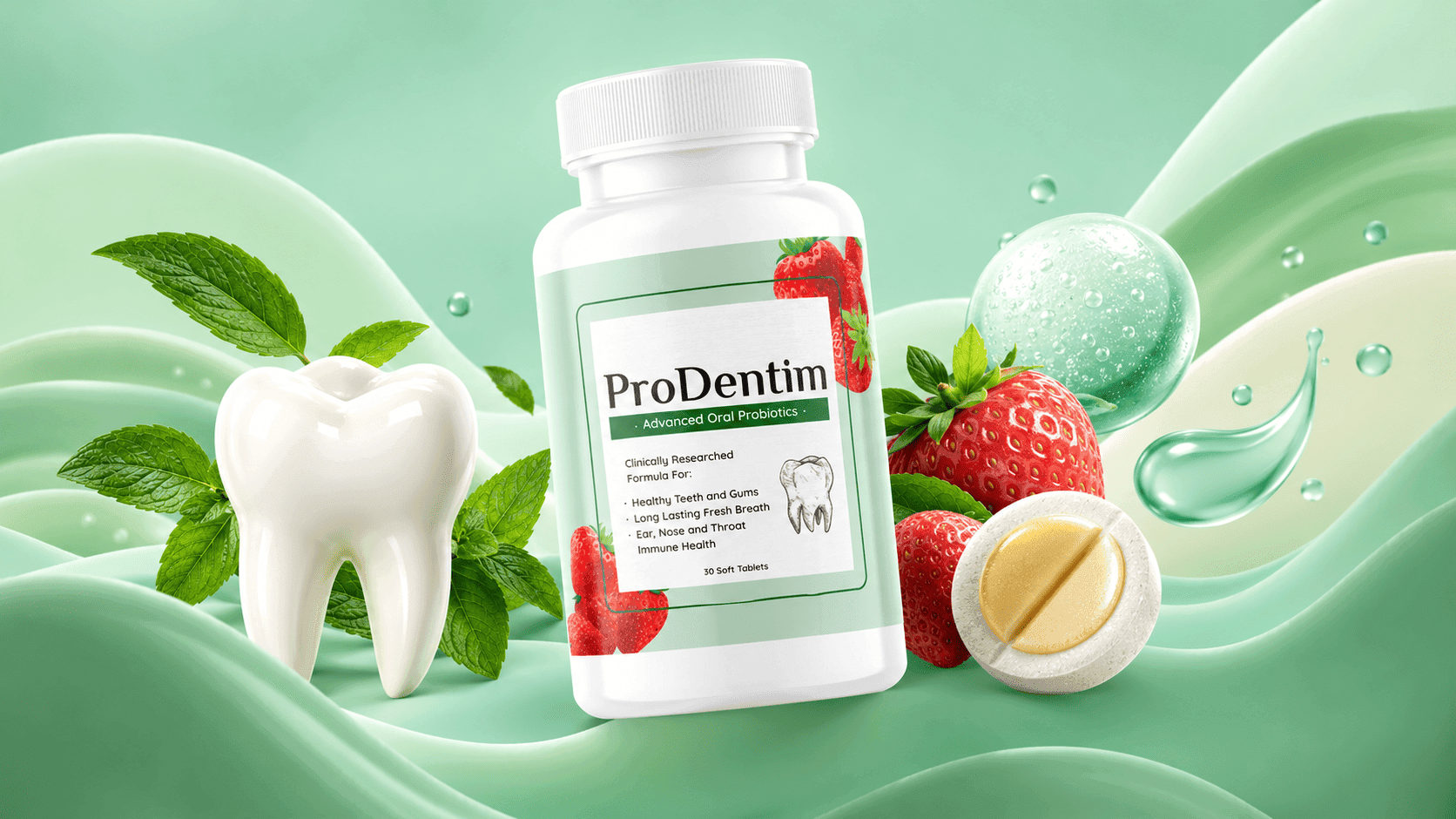
Beyond mechanical cleaning, supporting tissue integrity and microbial diversity creates an internal defense system against chronic breath issues. For individuals seeking specialized, concentrated botanical and probiotic support for gum health alongside their daily routines, targeted formulations provide comprehensive assistance. Read our detailed review of ProDentim to explore how specialized oral probiotic strains and vitamin complexes are formulated to support long-term oral microbiome balance.
Anti-Inflammatory Botanical Support: Compounds like Pygeum africanum and stinging nettle root work synergistically with saw palmetto to promote normal urinary flow and comfort.
Antioxidant Protection: Vitamins C and E neutralize reactive oxygen species, protecting lipid membranes within prostatic cells from oxidative damage.
Metabolic and Hormonal Harmony: Managing systemic insulin sensitivity through balanced nutrition indirectly supports healthy hormonal signaling and reduces inflammatory burdens on the prostate gland.
Your daily nutritional intake, hydration patterns, and behavioral habits profoundly influence your salivary flow and overall oral ecology.
Prioritize True Hydration: Drinking water consistently throughout the day prevents dry mouth (xerostomia), ensuring continuous saliva production to flush away food particles.
Incorporate Fibrous Foods: Crisp vegetables like celery, apples, and carrots stimulate mechanical chewing and robust salivary flow.
Manage Dryness Triggers: Limit excessive intake of drying agents such as alcohol, tobacco, and heavy caffeine, which suppress saliva and foster anaerobic bacterial growth.
While daily hygiene habits manage ordinary breath concerns, persistent halitosis can sometimes signal underlying clinical issues that require professional evaluation.
Consult your dentist or dental hygienist during routine visits if you experience:
Persistent bad breath that does not improve despite diligent brushing, flossing, and tongue scraping.
Signs of early gingivitis, such as tender, red, or easily bleeding gums during flossing.
Dry mouth sensations or medication-induced xerostomia affecting daily comfort.
Seek prompt professional evaluation if you notice:
Severe localized pain, throbbing toothaches, or sensitivity to hot and cold stimuli.
Spontaneous gum swelling, pus exudation around specific teeth, or mobile adult teeth.
A metallic taste accompanied by persistent localized tissue lesions or non-healing ulcers inside the mouth.
For individuals seeking specialized, concentrated probiotic and botanical support for teeth and gum health alongside daily hygiene habits, targeted formulations can streamline nutrient and microbial intake. Explore how specialized oral probiotic strains and vitamin complexes are formulated to support long-term oral microbiome balance.
Read Our Detailed Review of ProDentim »Saliva production drops significantly during sleep, reducing the mouth’s natural self-cleaning capacity and allowing anaerobic bacteria to multiply and generate volatile sulfur compounds overnight.
Yes. The posterior dorsum of the tongue harbors a massive biofilm concentration of bacteria and food remnants. Scraping removes this layer directly, instantly eliminating a major source of persistent oral odor.
Alcohol-free natural rinses containing soothing plant extracts (like tea tree oil, eucalyptus, or peppermint) help neutralize target bacteria without causing mucosal irritation or destroying beneficial commensal microbes.
National Institutes of Health (NIH) / PubMed: Keithley, J., & Swanson, B. (2005). Glucomannan and obesity: a critical review. Alternative Therapies in Health and Medicine, 11(6), 30–34.
American Diabetes Association (ADA): Vuksan, V., et al. (2000). Beneficial effects of viscous dietary fiber from Konjac-mannan in subjects with the insulin resistance syndrome: results of a controlled metabolic trial. Diabetes Care, 23(1), 9–14.
Cleveland Clinic: Soluble vs. Insoluble Fiber: Benefits and Food Sources. Cleveland Clinic Health Essentials, Clinical Nutrition Guidelines.
European Food Safety Authority (EFSA): EFSA Panel on Dietetic Products, Nutrition and Allergies (2010). Scientific Opinion on the substantiation of health claims related to konjac mannan (glucomannan) and reduction of body weight, maintenance of normal blood cholesterol concentrations, and reduction of post-prandial glycaemic responses. EFSA Journal, 8(10), 1798.
Mayo Clinic: Dietary fiber: Essential for a healthy diet. Mayo Clinic Patient Care and Health Information.
Medical Disclaimer: The information provided in this article is for educational and informational purposes only and does not constitute medical advice. It is not intended to diagnose, treat, cure, or prevent any health condition. Always consult with a licensed physician or healthcare professional before making significant changes to your diet, supplement routine, or lifestyle.

An evidence-based guide to 16 nutrient-dense foods that support satiety, gut health, and steady metabolic function as part of a balanced weight management routine.


Learn the 7 early signs of peripheral nerve damage, how to distinguish temporary tingling from nerve irritation, and when sensory changes require medical evaluation.

Does GLPro really support healthy blood sugar and reduce cravings? We examine the ingredients, clinical research, real pricing, and guarantee terms.

A detailed analysis of LeanBiome, its ingredients, benefits, and whether it’s worth trying in 2026.

A detailed analysis of NerveCalm, its ingredients, benefits, and whether it’s worth trying in 2026.