Beyond the Mint: Natural Breath Freshening Habits and Daily Dental Care Routines
Discover natural habits, daily dental care routines, and evidence-based strategies to maintain long-lasting fresh breath and optimal oral health.

As men age, bodily shifts happen quietly in the background. Around the age of forty, the walnut-sized gland sitting right below the bladder begins to undergo natural structural changes. For many, this process goes completely unnoticed. For others, it manifests as those frustrating midnight trips to the bathroom or a weaker urinary stream that demands extra patience in the morning.
Prostate health is rarely discussed openly over coffee or at family gatherings. It tends to remain wrapped in a layer of unnecessary awkwardness, leaving men to navigate shifting urinary patterns, nighttime disruptions, and general vitality concerns in isolation. Understanding how the prostate functions—and what daily habits genuinely move the needle—helps remove the guesswork and replaces anxiety with proactive, practical self-care.
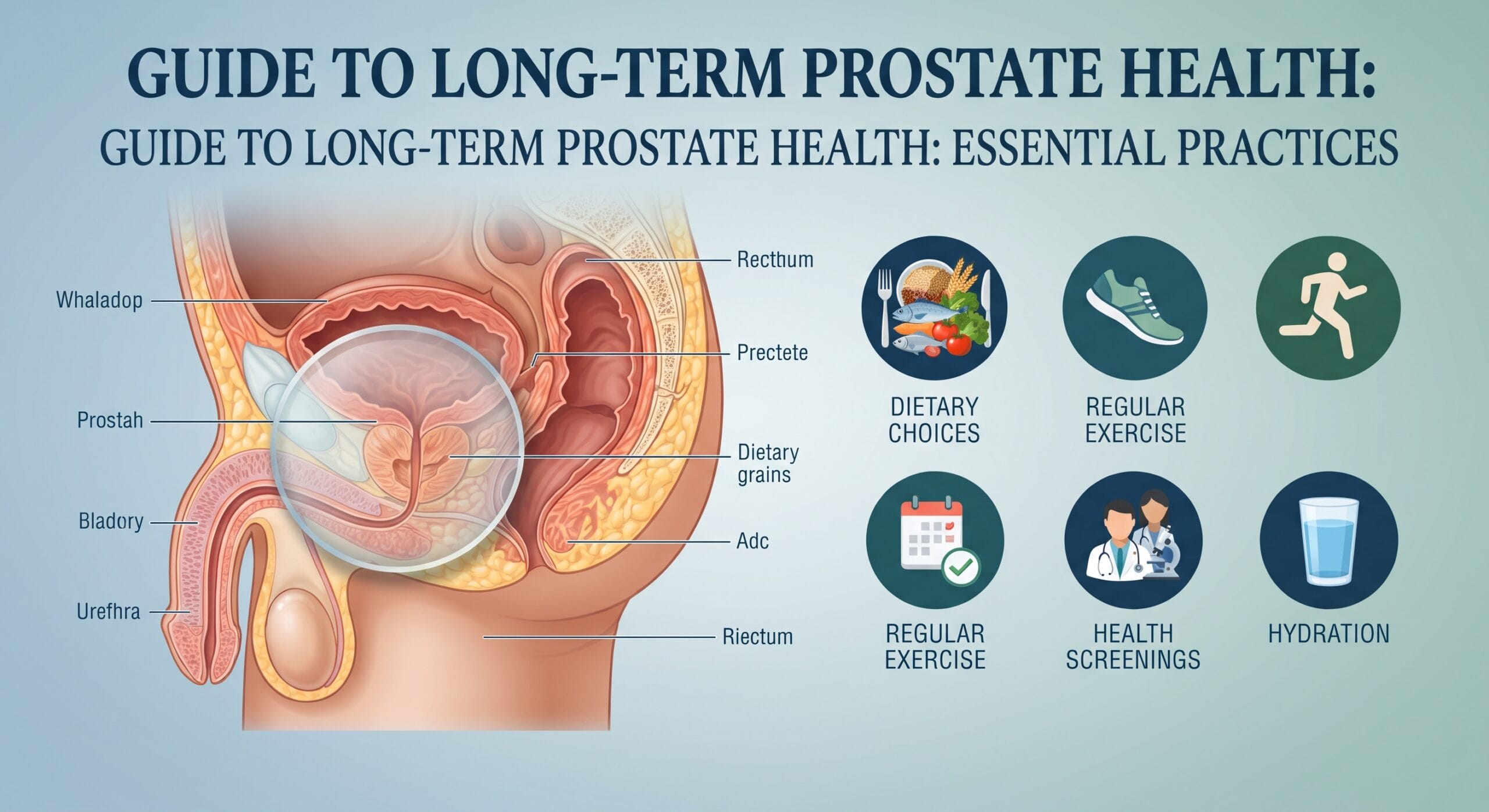
To maintain prostate health effectively, it helps to understand the underlying biological shifts occurring over time. The prostate’s primary physiological role is producing fluid that nourishes and transports sperm. Early in adult life, the gland remains stable under balanced hormonal regulation, primarily involving testosterone and its potent metabolite, dihydrotestosterone (DHT). However, as decades pass, cellular turnover shifts, frequently leading to non-cancerous enlargement known as Benign Prostatic Hyperplasia (BPH). Because the urethra runs directly through the center of the prostate gland, any expansion of the stromal and epithelial tissue places gentle mechanical pressure on the tube. This constriction alters urinary flow dynamics, increasing bladder resistance and triggering frequent signaling to void. Understanding these internal mechanisms allows men to move away from passive anxiety and toward targeted, evidence-based lifestyle and nutritional support.
Dietary choices play a profound role in modulating systemic inflammation, reducing oxidative stress, and supporting healthy cellular turnover within the pelvic region. Consuming a nutrient-dense diet rich in specific antioxidants helps protect delicate prostate tissues over time.
| Nutrient / Compound | Primary Physiological Role | Common Dietary Sources |
|---|---|---|
| Lycopene | Cellular antioxidant defense & free radical neutralization | Cooked tomatoes, watermelon, pink grapefruit |
| Zinc | Enzymatic function & prostatic tissue integrity | Pumpkin seeds, shellfish, lean beef |
| Beta-Sitosterol | Supports comfortable urinary flow & membrane stability | Saw palmetto, avocados, nuts, and seeds |
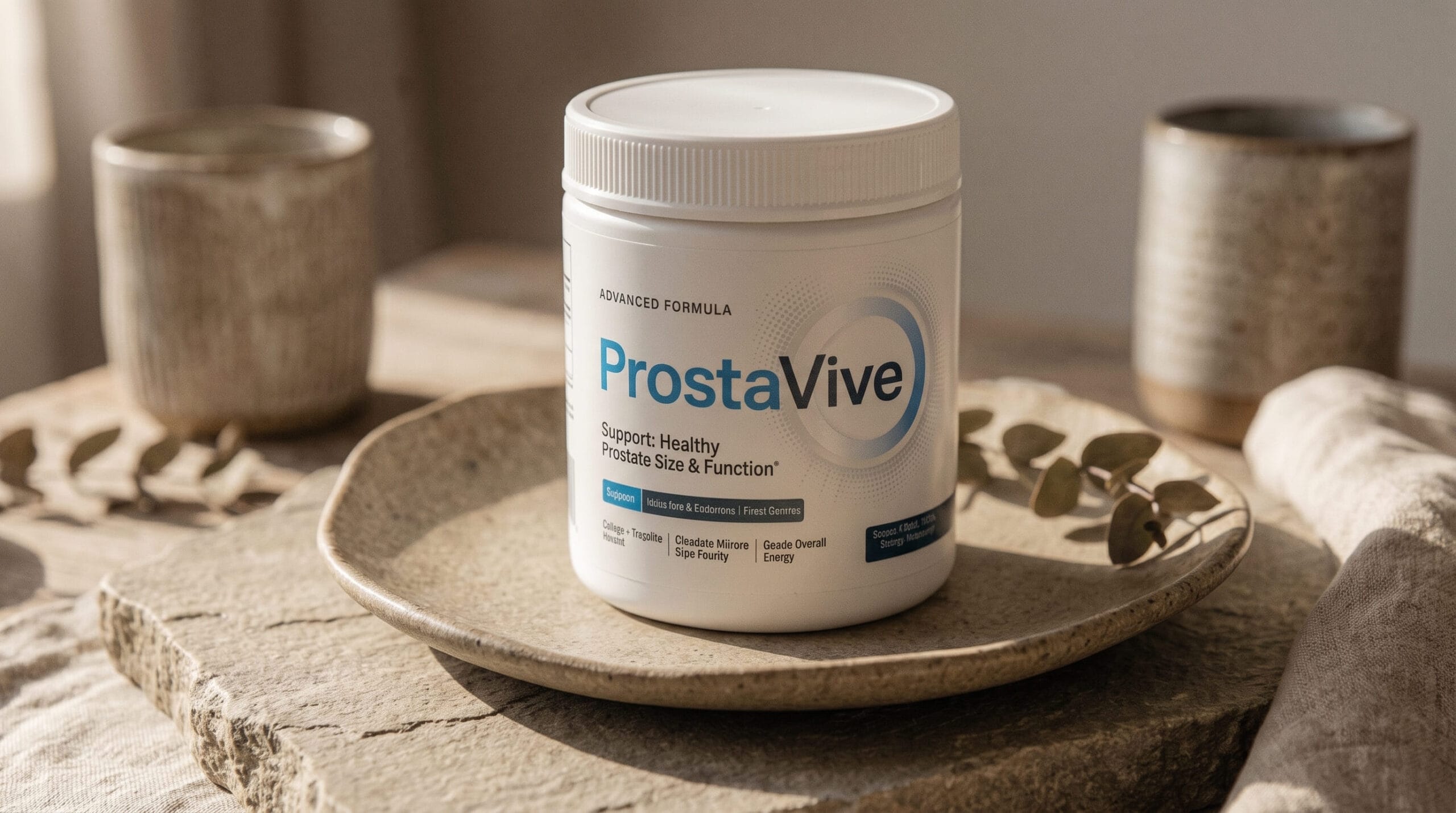
For individuals seeking specialized, concentrated nutritional support alongside dietary improvements, targeted daily formulations can streamline nutrient intake. Read our detailed review of ProstaVive to explore how specialized herbal and vitamin complexes are formulated to support long-term male vitality.
Beyond what you put on your plate, daily movement and hydration patterns profoundly influence pelvic circulation and urinary comfort. Sedentary habits put continuous pressure on the pelvic floor, restricting optimal blood flow.
Incorporate Pelvic Movement: Daily brisk walking or targeted pelvic floor activation exercises encourage healthy blood circulation around the prostate gland.
Optimize Evening Hydration: While staying well-hydrated throughout the day is essential, tapering off fluid intake two hours before bedtime significantly reduces nighttime bathroom trips.
Manage Irritants: Excessive alcohol, highly acidic foods, and caffeinated beverages can irritate the bladder lining, worsening urgency symptoms.
Beyond basic dietary intake, supporting systemic metabolic health and hormonal equilibrium provides a strong internal defense for the prostate. Chronic low-grade inflammation and oxidative stress heavily influence prostate cellular proliferation. Integrating targeted botanical extracts and micronutrients helps manage inflammatory pathways in the pelvic cavity.
Anti-Inflammatory Botanical Support: Compounds like Pygeum africanum and stinging nettle root work synergistically with saw palmetto to promote normal urinary flow and comfort.
Antioxidant Protection: Vitamins C and E neutralize reactive oxygen species, protecting lipid membranes within prostatic cells from oxidative damage.
Metabolic and Hormonal Harmony: Managing systemic insulin sensitivity through balanced nutrition indirectly supports healthy hormonal signaling and reduces inflammatory burdens on the prostate gland.
While lifestyle and nutritional habits provide foundational support for wellness, prostate health must be monitored professionally to rule out progressive conditions or more serious issues.
Consult your urologist or primary care physician during routine visits to discuss:
Seek prompt medical evaluation if you notice:
Sudden inability to urinate (acute urinary retention) or complete stoppage of flow.
Severe, painful urination, blood in the urine (hematuria), or cloudy urine accompanied by fever and chills.
Persistent, sharp pain in the lower back, hips, pelvis, or upper thighs.
For individuals seeking specialized, concentrated nutritional support alongside dietary improvements, targeted daily formulations can streamline nutrient intake. Explore how specialized herbal and vitamin complexes are formulated to support long-term male vitality.
Read Our Detailed Review of ProstaVive »A diet rich in anti-inflammatory antioxidants and healthy fats reduces systemic oxidative stress, which helps maintain normal cellular health around the urinary tract and supports comfortable bladder emptying.
Most medical guidelines recommend that men begin discussing screening options with their urologist or primary care physician around age 50, or earlier (around age 45) if there is a family history of prostate concerns.
Dietary supplements and lifestyle changes are designed for wellness support and nutritional insurance, not to diagnose, treat, cure, or prevent any disease. Always consult a qualified healthcare provider regarding persistent urinary symptoms.
National Institutes of Health (NIH) / PubMed: Keithley, J., & Swanson, B. (2005). Glucomannan and obesity: a critical review. Alternative Therapies in Health and Medicine, 11(6), 30–34.
American Diabetes Association (ADA): Vuksan, V., et al. (2000). Beneficial effects of viscous dietary fiber from Konjac-mannan in subjects with the insulin resistance syndrome: results of a controlled metabolic trial. Diabetes Care, 23(1), 9–14.
Cleveland Clinic: Soluble vs. Insoluble Fiber: Benefits and Food Sources. Cleveland Clinic Health Essentials, Clinical Nutrition Guidelines.
European Food Safety Authority (EFSA): EFSA Panel on Dietetic Products, Nutrition and Allergies (2010). Scientific Opinion on the substantiation of health claims related to konjac mannan (glucomannan) and reduction of body weight, maintenance of normal blood cholesterol concentrations, and reduction of post-prandial glycaemic responses. EFSA Journal, 8(10), 1798.
Mayo Clinic: Dietary fiber: Essential for a healthy diet. Mayo Clinic Patient Care and Health Information.
Medical Disclaimer: The information provided in this article is for educational and informational purposes only and does not constitute medical advice. It is not intended to diagnose, treat, cure, or prevent any health condition. Always consult with a licensed physician or healthcare professional before making significant changes to your diet, supplement routine, or lifestyle.

Discover natural habits, daily dental care routines, and evidence-based strategies to maintain long-lasting fresh breath and optimal oral health.


Struggling with constant cravings isn’t just about willpower—it’s about digestive rhythm. Learn how viscous soluble fibers like glucomannan create gentle stomach fullness, smooth out glucose spikes, and naturally signal your brain that you’re satisfied.
Discover why your feet burn at night, from nerve irritation and circulation shifts to everyday foot fatigue, and learn safe, practical steps to find evening comfort.

Does GLPro really support healthy blood sugar and reduce cravings? We examine the ingredients, clinical research, real pricing, and guarantee terms.

A detailed analysis of LeanBiome, its ingredients, benefits, and whether it’s worth trying in 2026.
A detailed analysis of NerveCalm, its ingredients, benefits, and whether it’s worth trying in 2026.