
NerveCalm Review 2026
A detailed analysis of NerveCalm, its ingredients, benefits, and whether it’s worth trying in 2026.

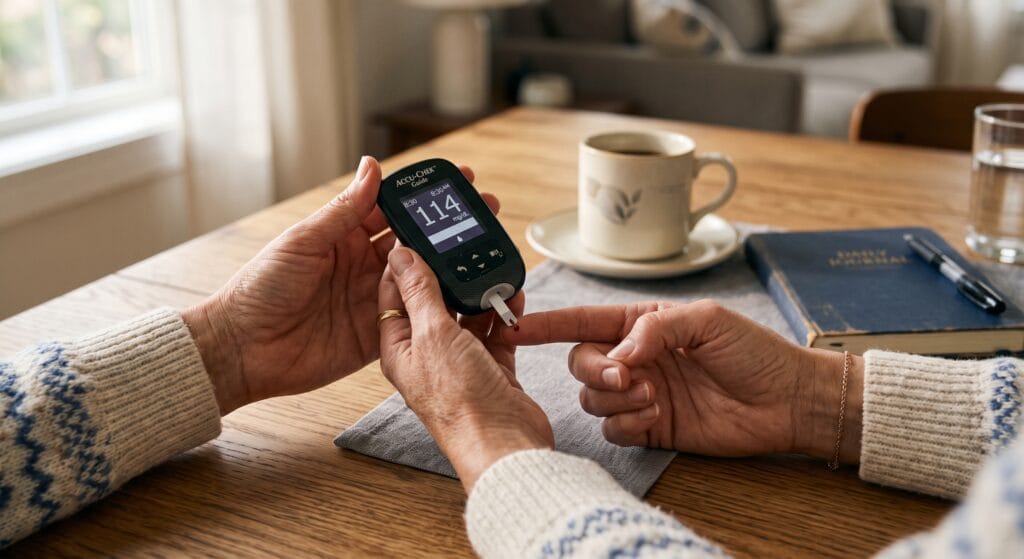
Persistent hunger and erratic energy dips are often treated as issues of sheer willpower, yet they are fundamentally governed by gastrointestinal physiology, hormonal signaling, and nutrient absorption kinetics. When simple carbohydrates enter the digestive tract unchecked, rapid gastric emptying drives sharp blood glucose spikes followed by reactive insulin surges—leaving you fatigued, unsatisfied, and craving fast calories within hours.
Dietary fiber has long been recommended as a corrective measure, but not all fiber fractions behave the same way inside the body. Viscous soluble fibers represent a unique physicochemical class capable of forming dense, hydrating hydrogels upon contact with digestive fluids.
Among these compounds, glucomannan—a water-soluble polysaccharide extracted from the tuber of the konjac plant (Amorphophallus konjac)—holds the highest known viscosity and water-holding capacity among natural fibers. By restructuring the physical state of the intestinal chyme, glucomannan and complementary viscous fibers transform ordinary meals into slow-releasing nutritional systems that fundamentally alter human satiety pathways.
The feeling of fullness is dictated by two primary physiological mechanisms: mechanical distension of the stomach wall and biochemical endocrine cascades triggered by nutrient arrival in the distal bowel. Immediately following meal ingestion, mechanoreceptors detect gastric stretch, sending vagal afferent signals to the solitary tract and hypothalamus to suppress appetite. However, typical refined carbohydrates exit the stomach rapidly, causing this stretch reflex to dissipate long before metabolic homeostasis is reached.
Simultaneously, the hormone ghrelin (the body’s primary orexigenic or hunger-stimulating hormone) drops post-meal, while incretin and satiety peptides—such as GLP-1 (glucagon-like peptide-1), PYY (peptide YY), and CCK (cholecystokinin)—increase. When meals lack viscosity and structurally complex fibers, nutrient transit through the small intestine is brisk. Enzymes rapidly cleave carbohydrates in the proximal jejunum, leaving minimal nutrients to reach the distal ileum where the highest density of GLP-1-producing L-cells resides. This mismatch leads to an abrupt glucose peak, an overshoot of insulin, and a swift rebound of hunger within two hours of eating.
The failure to sustain satiety typically stems from three interconnected metabolic disruptions:
Rapid Gastric Emptying: Low-viscosity meals rush through the pyloric sphincter, preventing sustained mechanoreceptor engagement.
Postprandial Glycemic Volatility: Fast digestion produces rapid glucose absorption, triggering reactive hypoglycemia and carbohydrate cravings.
Impaired Ileal Brake Activation: Without sustained intestinal viscosity, digestion occurs too high up in the tract, muting late-phase satiety hormones like PYY and GLP-1.
Viscous soluble fibers address each of these points by binding up to 50 times their weight in water, creating a cohesive, slippery matrix that traps digestive enzymes and macronutrients alike.
| Fiber Type | Viscosity / Gel Index | Water-Holding Capacity | Primary Physiological Benefit | Daily Dose Range |
|---|---|---|---|---|
| Glucomannan (Konjac) | Extremely High (Highest natural) | Up to 50x by weight | Delayed gastric emptying & prolonged satiety | 1 – 3 g (divided doses) |
| Psyllium Husk | Moderate to High | 10x – 15x by weight | Bowel regularity & cholesterol management | 5 – 10 g |
| Beta-Glucan (Oats/Barley) | Moderate | 8x – 12x by weight | Blunting postprandial glycemic surge | 3 – 6 g |
| Inulin / FOS | Low (Non-viscous soluble) | Minimal | Prebiotic fermentation & bifidobacteria growth | 5 – 15 g |
| Cellulose (Insoluble) | None | Low (Traps water without gel) | Stool bulking & colon transit speed | 10 – 20 g |
At the systemic level, glucomannan’s dense matrix acts as a semi-permeable physical barrier across the unstirred water layer of the intestinal mucosa. This slows the rate at which amylase enzymes break down starches and delays glucose transport into portal circulation. By flattening postprandial glucose curves, glucomannan limits the hyperinsulinemic response that typically triggers reactive hunger.
Furthermore, because undigested polysaccharides migrate deeper into the ileum and colon, they fuel beneficial anaerobic microbes that generate short-chain fatty acids (SCFAs)—principally acetate, propionate, and butyrate. SCFAs bind to free fatty acid receptors (FFAR2 and FFAR3) on enteroendocrine cells, sustaining the secretion of GLP-1 and PYY over many hours.
For individuals managing glycemic health, pairing dietary fiber strategies with botanical insulin-sensitizers—such as those detailed in our comprehensive Sugar Defender Review—creates a multi-target metabolic protocol that tackles both cellular insulin signaling and mechanical glucose diffusion.
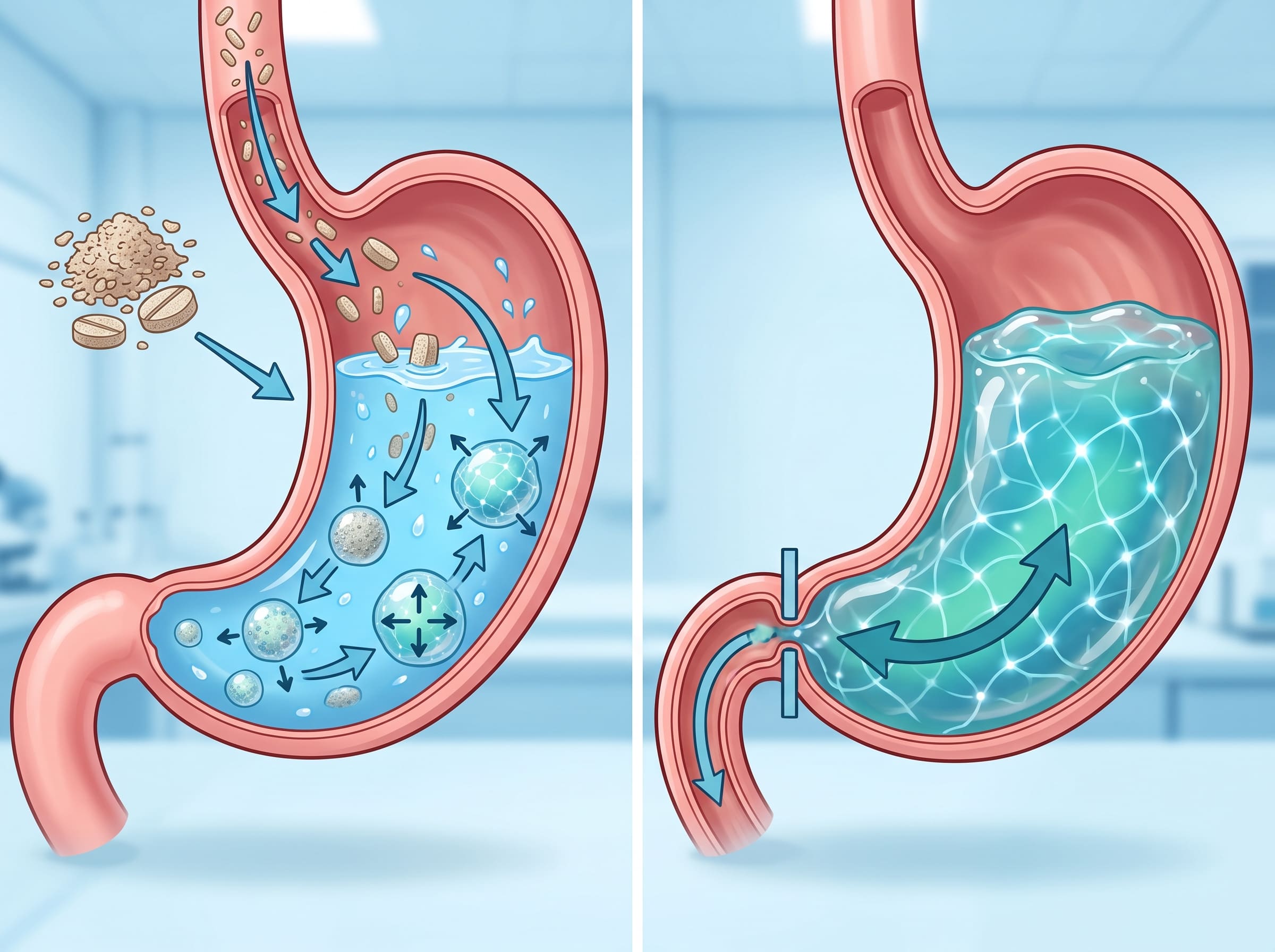
From a mechanical standpoint, glucomannan swells inside the stomach prior to digestion, forming a viscous bolus that physically increases the volume of gastric contents. This stimulates intragastric mechanoreceptors, communicating early fullness to the brain via the vagus nerve.
As the chyme slowly empties into the small intestine, its continued viscosity slows intestinal transit speed, triggering the physiological mechanism known as the “ileal brake.” This feedback loop signals the stomach to decelerate motility and suppress further food intake. When combined with supportive botanicals like gymnema or African mango—discussed in our guide on Natural Appetite Suppressants & Metabolic Support—viscous fibers supply the physical foundation needed to regulate daily caloric intake without severe dietary deprivation.
Integrating high-viscosity fibers like glucomannan requires specific, evidence-based practices to ensure efficacy and avoid gastrointestinal distress
Mandatory Water Volume: Glucomannan must always be consumed with at least 8 to 10 ounces (240 to 300 ml) of water per gram of powder or capsule. Taking it with insufficient liquid creates a serious risk of esophageal or intestinal blockage.
Meal Timing: Consume your dosage roughly 15 to 45 minutes prior to your largest or highest-carbohydrate meals. This gives the polysaccharide chains adequate time to hydrate and form a uniform gel within the stomach.
Gradual Titration: Begin with 500 mg to 1 g once daily for the first week to allow gut microbiota to adapt, minimizing potential bloating or flatulence.
Separate From Medications: Because viscous fibers can trap drug molecules and delay drug bioavailability, take oral prescription medications at least 1 hour before or 4 hours after consuming glucomannan.
While fiber provides direct mechanical benefits, comprehensive metabolic balance relies on supporting cellular insulin sensitivity and glucose clearance:
While dietary fibers are widely available over-the-counter and in whole foods, metabolic and digestive health must be monitored professionally.
Consult your primary healthcare provider or registered dietitian during routine visits if you are considering glucomannan to assist with:
Mild, recurrent post-meal energy crashes or stubborn cravings.
Optimizing borderline fasting blood glucose (prediabetes range: 100–125 mg/dL) or elevated HbA1c levels.
Modulating mild dyslipidemia, such as elevated LDL cholesterol or triglycerides.
Seek immediate medical attention if you experience:
Difficulty Swallowing or Choking: Any sensation of a pill or gel mass catching in the esophagus, throat tightness, or chest pain following ingestion.
Acute Abdominal Distension or Severe Pain: Signs of intestinal obstruction, severe cramping, or inability to pass gas or stool.
Symptomatic Hypoglycemia: Shaking, cold sweats, confusion, dizziness, or blurred vision, particularly if you take insulin or sulfonylureas alongside fiber supplements.
Glucomannan possesses a substantially higher viscosity and water-holding capacity than psyllium husk (up to 50 times its dry weight versus roughly 10 to 15 times for psyllium). Consequently, glucomannan requires a much smaller clinical dosage (1 to 3 grams compared to 5 to 10 grams of psyllium) to form a thick gastric gel, activate mechanoreceptors, and prolong postprandial satiety.
On its own in healthy individuals, glucomannan does not trigger hypoglycemia; rather, it blunts the steep post-meal glucose spike by slowing digestion. However, individuals taking prescription diabetes medications (such as metformin, glipizide, or exogenous insulin) should monitor their levels closely, as adding viscous fiber may enhance glycemic control and necessitate medication adjustments by their physician.
Clinical studies show glucomannan is most effective when taken 15 to 45 minutes prior to a meal with a full 8-ounce glass of water. This window allows the fiber to reach the stomach and begin expanding into a hydrogel matrix before food arrives, maximizing both early stretch-receptor signaling and the slowing of gastric emptying.
National Institutes of Health (NIH) / PubMed: Keithley, J., & Swanson, B. (2005). Glucomannan and obesity: a critical review. Alternative Therapies in Health and Medicine, 11(6), 30–34.
American Diabetes Association (ADA): Vuksan, V., et al. (2000). Beneficial effects of viscous dietary fiber from Konjac-mannan in subjects with the insulin resistance syndrome: results of a controlled metabolic trial. Diabetes Care, 23(1), 9–14.
Cleveland Clinic: Soluble vs. Insoluble Fiber: Benefits and Food Sources. Cleveland Clinic Health Essentials, Clinical Nutrition Guidelines.
European Food Safety Authority (EFSA): EFSA Panel on Dietetic Products, Nutrition and Allergies (2010). Scientific Opinion on the substantiation of health claims related to konjac mannan (glucomannan) and reduction of body weight, maintenance of normal blood cholesterol concentrations, and reduction of post-prandial glycaemic responses. EFSA Journal, 8(10), 1798.
Mayo Clinic: Dietary fiber: Essential for a healthy diet. Mayo Clinic Patient Care and Health Information.
Medical Disclaimer: The information provided in this article is for educational purposes only and does not substitute professional medical advice, diagnosis, or treatment. Always consult your physician before starting any new health regimen.
A detailed analysis of NerveCalm, its ingredients, benefits, and whether it’s worth trying in 2026.
A detailed analysis of NerveCalm, its ingredients, benefits, and whether it’s worth trying in 2026.