Independent Reviews • Evidence-Based • Updated Regularly

7 Signs of Nerve Damage: Symptoms, Causes & Prevention

Disclaimer: This article is for informational purposes only and is not medical advice. It is not intended to diagnose, treat, cure, or prevent any condition.

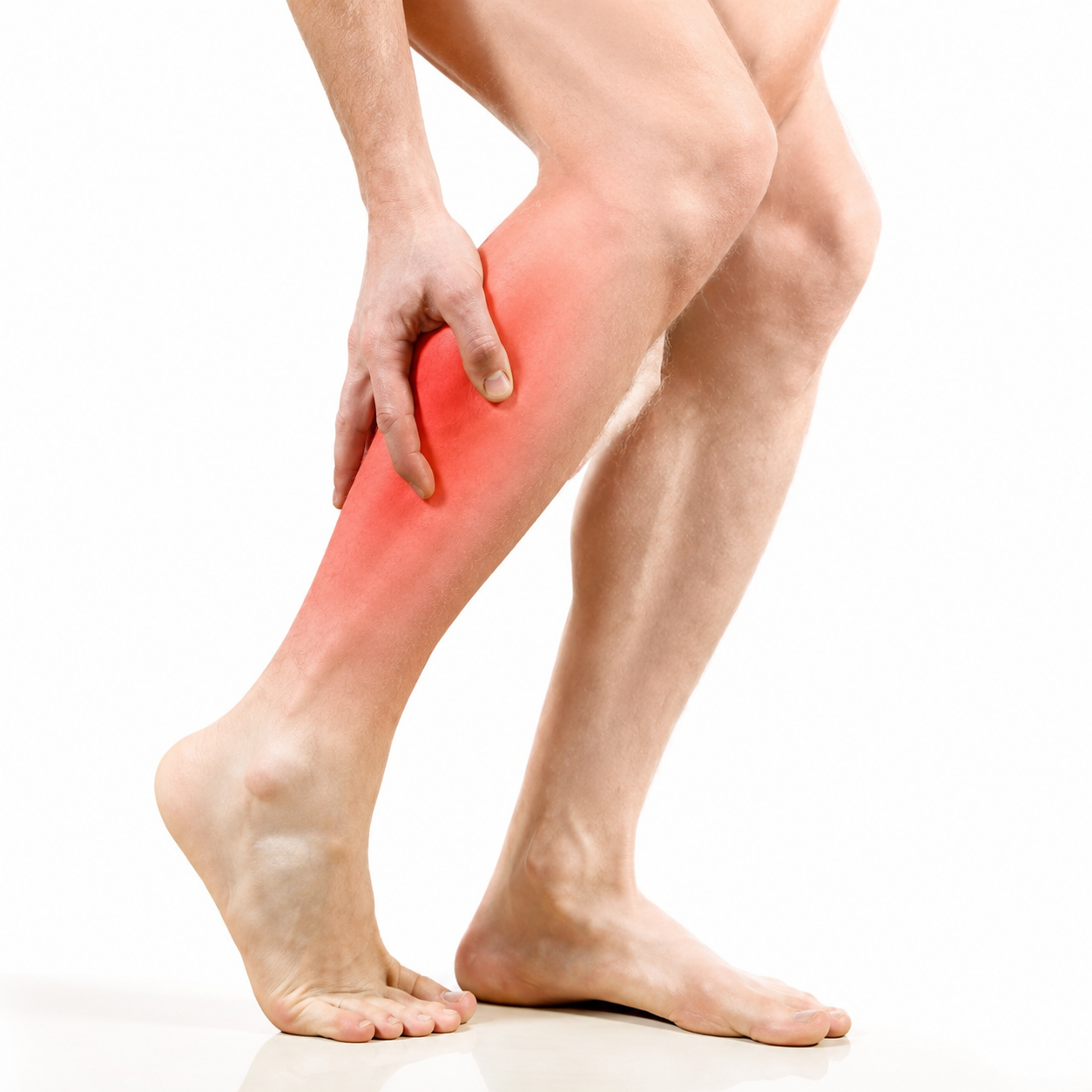
Nerve damage can affect how the body sends signals and may lead to different symptoms. Recognizing the early signs can help people understand when they should seek more information or professional guidance.

In this guide, we will explore 7 common signs of nerve damage, possible causes, and ways to support overall nerve health.

7 Common Signs os Nerve Damage

1. Tingling or “Pins and Needles” Sensation

That strange tingling feeling in your hands, feet, or legs might seem harmless — especially if it comes and goes.

However, frequent tingling can be one of the earliest signs of nerve irritation or damage.

It often feels like:

• Tiny electric shocks

• A buzzing sensation

• Pins and needles

If it happens regularly, it’s worth paying attention.

2. Numbness in Hands or Feet

Numbness is another common warning sign.

You might notice:

• Reduced sensitivity to touch

• Difficulty feeling temperature

• A “dead” feeling in certain areas

This can be especially dangerous because it increases the risk of unnoticed injuries.

3. Burning Pain or Sharp Sensations

One of the most uncomfortable symptoms of nerve issues is burning pain.

People often describe it as:

• A constant burning feeling

• Sudden sharp or stabbing pain

• Pain that worsens at night

This type of pain can interfere with sleep and daily activities.

4. Muscle Weakness

Nerves control your muscles — so when they’re affected, your strength can suffer.

Signs include:

• Difficulty lifting objects

• Weak grip

• Trouble walking or standing for long periods

Over time, this can impact your independence and quality of life.

5. Sensitivity to Touch

If even light contact feels painful, your nerves may be overreacting.

This condition, known as hypersensitivity, can make simple things uncomfortable — like:

• Wearing shoes

• Holding objects

• Light physical contact

6. Loss of Balance or Coordination

Nerve damage can affect how your brain communicates with your body.

You may experience:

• Frequent stumbling

• Poor balance

• Difficulty coordinating movements

This increases the risk of falls, especially as you get older.

7. Symptoms That Get Worse at Night

Many people notice their symptoms become more intense in the evening.

This can include:

• Increased pain

• Stronger tingling sensations

• Trouble sleeping

Nighttime worsening is a common pattern in nerve-related conditions.

What Causes Nerve Damage?

There are several possible causes, including:

• Diabetes

• Vitamin deficiencies (especially B vitamins)

• Poor circulation

• Chronic inflammation

• Aging

In many cases, nerve problems develop slowly over time.

How Is Nerve Damage Evaluated?

Nerve damage is usually evaluated by looking at a person’s symptoms, medical history, and overall health. Because nerve-related symptoms can have many different causes, understanding the possible source is an important part of the evaluation process.

A healthcare professional may consider factors such as:

• The type of symptoms experienced (such as tingling, numbness, burning sensations, or weakness)

• When the symptoms started and how they have changed over time

• Existing health conditions

• Lifestyle factors and nutritional considerations

• Medications or other factors that may affect nerve function

In some cases, additional tests may be used to gather more information about how the nerves are functioning. The type of evaluation depends on the individual situation and the symptoms being experienced.

If someone notices persistent or worsening nerve-related symptoms, seeking professional guidance can help identify possible causes and appropriate next steps.


Can Nerve Damage be Reversed?

Whether nerve damage can improve depends on the underlying cause, severity, and individual situation. In some cases, addressing contributing factors and maintaining overall health may help support recovery or symptom management. Anyone experiencing ongoing symptoms should seek guidance from a healthcare professional

Whays to Support Nerve Health

Today, many people are turning to natural approaches to support nerve health.

 These often include:

• Healthy lifestyle habits

• Balance nutrition

• Addressing underlying causes

• Discussing concerns with a healthcare professional

• Supplements people explore for nerve support

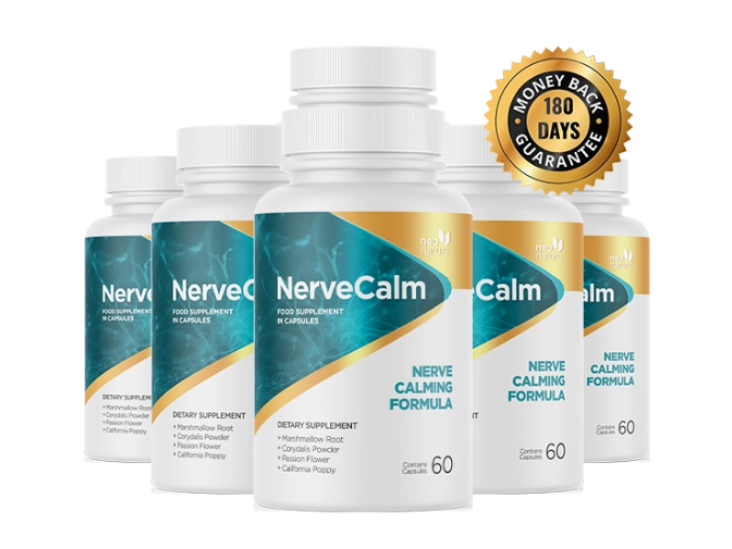
Some people explore supplements designed to support nerve health. You can read our detailed Nerve Calm review to learn more about the formula, ingredients, and overall assessment.

• NerveCalm Review

Frequently Asked Questions

What are the early signs of nerve damage?

Early signs of nerve damage may include tingling, numbness, burning sensations, increased sensitivity, or changes in how you feel temperature and touch. Symptoms can vary depending on the type of nerve affected and the underlying cause.

In some cases, nerve-related symptoms may improve depending on the cause, severity, and individual circumstances. Addressing underlying factors and maintaining overall health may play an important role. Anyone experiencing ongoing symptoms should consider speaking with a qualified healthcare professional.

Nerve damage can have many possible causes, including metabolic conditions, injuries, nutritional deficiencies, certain medications, infections, and other health factors. Identifying the cause is an important step in understanding the appropriate approach.

A balanced diet provides nutrients that support overall health, including normal nervous system function. Certain vitamins and nutrients are often discussed in relation to nerve health, but diet alone may not address every cause of nerve-related symptoms.

Final Thoughts

Understanding the possible signs and causes of nerve damage is an important first step in making informed decisions about your health.

If you are researching nerve support options, consider reviewing product information carefully and discussing concerns with a healthcare professional.

Continue Your Wellness Journey

Looking for trusted information before choosing a supplement? Explore our expert reviews of today’s most popular wellness products. We cover ingredients, potential benefits, pricing, and customer experiences to help you make informed decisions.

👉 Explore Our Reviews